_article.webp)
Artificial Intelligence has moved from the sidelines of organisational strategy into the centre of decision-making, capability building, and economic transformation. Nowhere is this shift more visible than in the Middle East - where the UAE, Saudi Arabia, and Qatar are actively shaping themselves into global AI powerhouses.
And as AI reshapes industries, one sector is undergoing a massive transformation of its own: the conference and public speaking ecosystem.
Event planners, communication leaders, policymakers, and corporate executives are no longer just asking, “What is AI?”
They're asking, “How will AI transform the way we meet, learn, influence, inspire, and communicate?”
In this post, we’re sharing how AI will shape conferences and public speaking across the Middle East in the year ahead, and what leaders must prepare for.
Different Ways AI is Transforming Conferences and Public Speaking
Even though AI adoption is still evolving and changing by the day, here are some ways in which the transformation is evident:
1. AI Will Redefine How Speakers Are Discovered and Selected
From government forums to corporate summits to innovation conferences, the Middle East hosts thousands of high-impact events every year. Until recently, the speaker selection process relied heavily on human curation, intuition, and reputation.
In 2026, AI enhances this process through:
Speaker-topic fit analysis - AI tools match speaker expertise with audience expectations and event goals.
Audience-driven recommendations - Preference modelling reveals which speakers will resonate most.
Data-based performance forecasting - AI analyses past talks, audience engagement, tone, delivery style, and more.
This is why event organisers are increasingly searching for AI keynote speakers in the Middle East who can help them understand not only the technology, but also how to leverage it to improve programming.
“AI isn’t replacing the human touch in curation. It’s enhancing it, making every decision smarter, faster and more intentional.”
Saana Azzam, Founder - MENA Speakers
2. Keynotes Will Become More Intelligent, Adaptive, and Personal
The traditional keynote - a speaker delivering a one-way message to a passive audience, is now evolving. In 2026, AI will empower speakers to analyse audience profiles before going on stage. The technology will give them insights like:
Industry mix
Leadership level
Cultural background
Learning preferences
This allows them to adjust tone, examples, and message emphasis. With AI-driven sentiment tracking and engagement heatmaps, speakers can refine:
Pace
Storytelling depth
Technical complexity
Emotional engagement
A keynote now becomes a conversation, not a speech. And we think this will not just elevate the delivery, but also the experience of the attendees.
3. Conferences Will Use AI to Measure Impact, Not Just Attendance
Up until now, measuring the impact of events was almost impossible and primarily based on safe assumptions around logistics. AI now allows event organisers to measure:
Audience engagement
Topic resonance
Emotional reactions
Learning impact
Long-term behaviour change
Keynotes will no longer end when the speaker steps off stage. The technology will also enable leaders to track post-event impact:
Action adoption
Knowledge retention
Internal capability uplift
4. AI Will Unlock New Types of Speakers and Storytellers
AI storytellers, AI futurists, AI ethicists, and AI-product innovators - 2026 introduces a new category of professional influencers.
But more than that, AI is now empowering traditional speakers to evolve into:
Data-enhanced storytellers
Insight-led leaders
Technology-conversant communicators
At MENA Speakers, we are seeing a demand for AI keynote speakers in the Middle East prioritize digital transformation, smart governance, innovation, economic diversification and talent development.
Speakers who can bridge technology and humanity will define the next era of conferences.
Get to know more about James Taylor.
5. AI Will Democratise Public Speaking Skills
One of the most transformative effects of AI will be its power to strengthen everyday communication skills. Tools like AI rehearsal coaches and communication assistants help individuals:
Analyse their tone and clarity
Strengthen storytelling
Improve body language
Practise delivery and pacing
Reduce filler words
Rehearse for interviews or presentations
Public speaking - one of humanity’s oldest skills, will become more accessible, more trainable, and more measurable.
This shift directly benefits:
Rising speakers in the Middle East
Executives preparing for panels
Leaders navigating media appearances
Women in leadership seeking confidence and presence
Youth preparing for entrepreneurship and innovation roles
“AI isn’t taking over the stage. It’s helping the speaker own it.”
Saana Azzam, Founder - MENA Speakers
6. Conferences Will Become More Immersive and Multi-Sensory
Events and conferences will no longer hit a plateau in engagement. AI will power more immersive experiences through:
Real-time translation and localisation - Events in the Middle East will become seamlessly multilingual, removing cultural barriers.
AI-powered storytelling environments - Dynamic visuals, adaptive soundscapes, and reactive content will respond to speaker cues.
Interactive Q&A and participation - AI will curate audience questions, poll insights, and discussion points in real time.
Hybrid engagement models - AI bridges the gap between physical and virtual audiences, creating a unified experience.
7. The Middle East Will Become a Global Hub for AI Thought Leadership
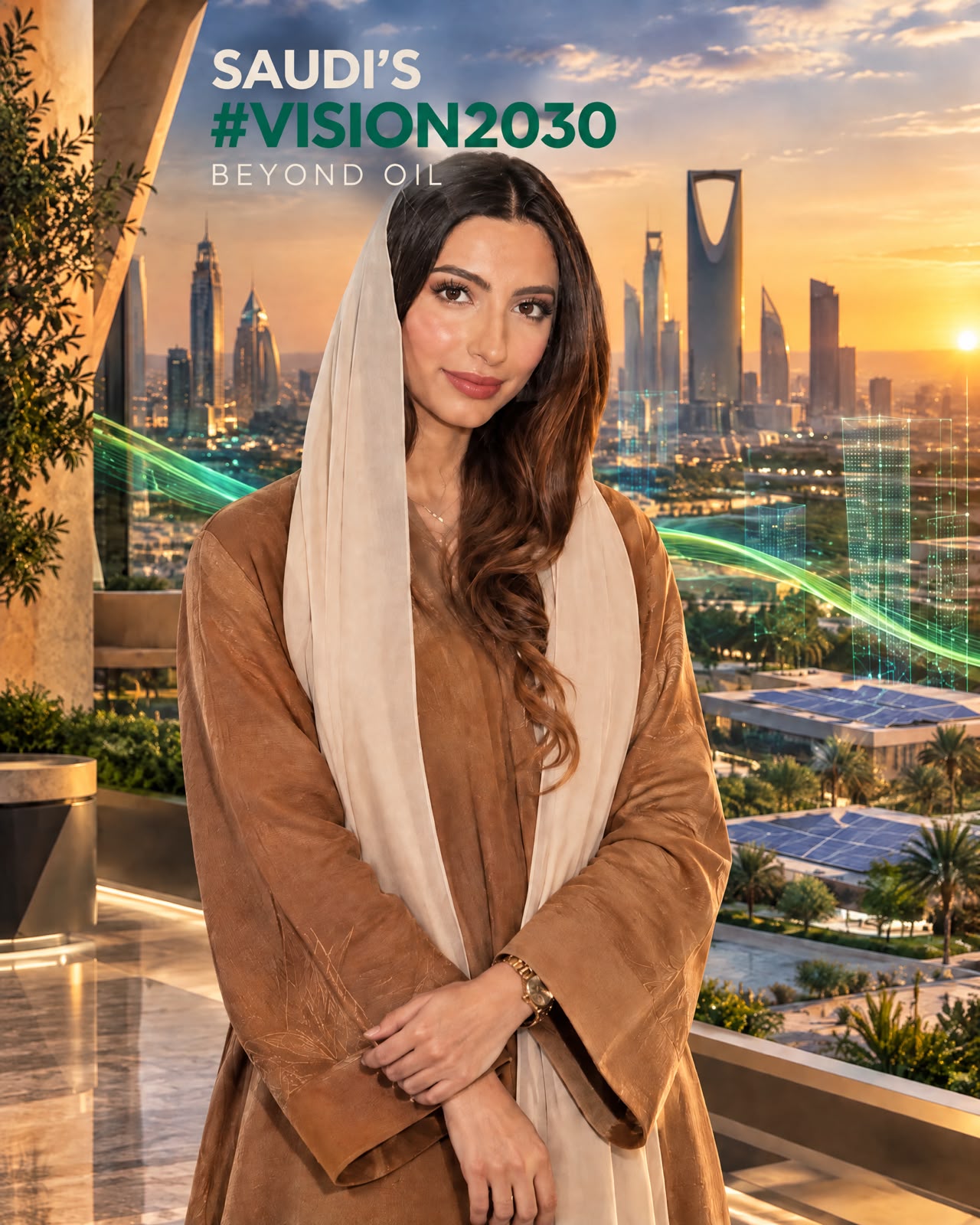
With countries like Saudi Arabia and the UAE investing heavily in AI infrastructure, education, innovation clusters, and national AI strategies, the region is rapidly positioning itself as a global voice on AI’s future.
This drives exponential demand for:
AI futurist speakers
Chief AI officers
Ethical AI experts
AI in governance specialists
AI in education & workforce specialists
In 2026, conferences across Dubai, Riyadh, Doha, Abu Dhabi, Muscat, and Manama will prioritise sessions that help organisations navigate AI’s promise and its challenges. And at MENA Speakers, we’re enabling this with a roster of some of the most experienced AI industry leaders.
8. Speakers Will Become Guides in a Time of Uncertainty
As organisations adopt AI, the biggest questions leaders ask are no longer technical. They’re more human and we’re seeing the conversation on social media already:
What will AI mean for jobs?
How will AI change leadership roles?
How can teams stay future-ready?
How do we balance speed with ethics?
How do we preserve human intelligence in an AI-powered world?
AI keynote speakers in the region will increasingly serve as advisors, helping organisations build confidence, capability, and clarity. Public speaking becomes not just a performance but a form of leadership.
9. AI Will Elevate Speaker Development and Coaching
AI is transforming how speakers prepare, rehearse, brand themselves, and perfect their craft.
In 2026, speakers will use AI tools to:
Analyse their delivery patterns
Improve vocal tone
Enhance storytelling structure
Correct posture and presence
Create personalised practice scripts
Build tighter audience connections
AI will accelerate the journey of emerging speakers, aligning perfectly with our very own programs like the Speakers FastTrack Programme.
10. AI Will Make Conferences More Inclusive and Accessible
Finally, AI unlocks participation for individuals previously excluded due to barriers such as language, disability, or location. AI will bring the following to the future events and conferences:
Live captioning
Real-time translation
Visual support tools
Adaptive learning modules
Remote interactive participation
This change will ensure that the future of conferences in the Middle East is more inclusive, more global, and more human. The perfect definition of where technology and humanity meet.
Also read: AI, Innovation, and the Future of Public Speaking
Conclusion
2026 marks a pivotal moment.
AI is not replacing speakers; it is helping them advance.
AI is not diminishing conferences; it is transforming them.
And the Middle East, with its bold visions and accelerated adoption, is leading the world in this transformation.
Organisations that embrace AI will create conferences that inspire deeper learning, create greater impact, foster better engagement and drive meaningful transformation across industries.
Bring the region’s leading AI thinkers, futurists, innovators, and transformation experts to your next event.